2027 Heritage Language Learning Symposium (Feb. 18-19)
Toolbox for Effective Teaching in Mixed Classrooms with Heritage and L2 Language Learners
The 2027 Heritage Language Learning Symposium is sponsored by the Department of Languages, Cultures and Translation.
All activities will be via Zoom. Links will be sent to those registered the second week of February 2027.
Description:
The symposium offers the opportunity to learn about current research on heritage language learning, as well as to get practical tools to teach Heritage Speakers.
Symposium Goals:
The symposium has five primary goals:
a) increase understanding of and knowledge about heritage speakers in the American educational context,
b) reflect on how Innovative approaches to language teaching can benefit heritage students and L2 learners in the Carolinas,
c) provide language instructors with pedagogical tools to better teach heritage speakers and L2 learners in mixed classrooms,
d) strengthen bilingual/heritage language education practices by connecting scholars, language instructors, and students at Charlotte and abroad, and
e) reflect on how teaching strategies have a different socio-affective impact on heritage language learners and L2 learners.
Organizers:
Paloma Fernández Sánchez, Ph.D.
Featured Speakers
Research Presentation: TBA
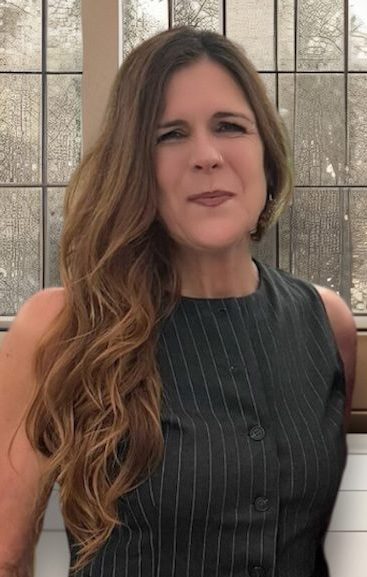
Enza Antenos Ph.D. is Director of the BA in Language, Business & Culture and Associate Professor of Italian in the Department of World Languages and Cultures. As a principal collaborator in developing the interdisciplinary Language, Business & Culture (LBC) major — launched in 2019 as a joint initiative between the College of Humanities and Social Sciences and the Feliciano School of Business — she bridges the gap between language education and professional preparation.
Workshop: A Practical Toolbox for Differentiation, Assessment, and Belonging in Mixed Heritage and Second-Language Classrooms
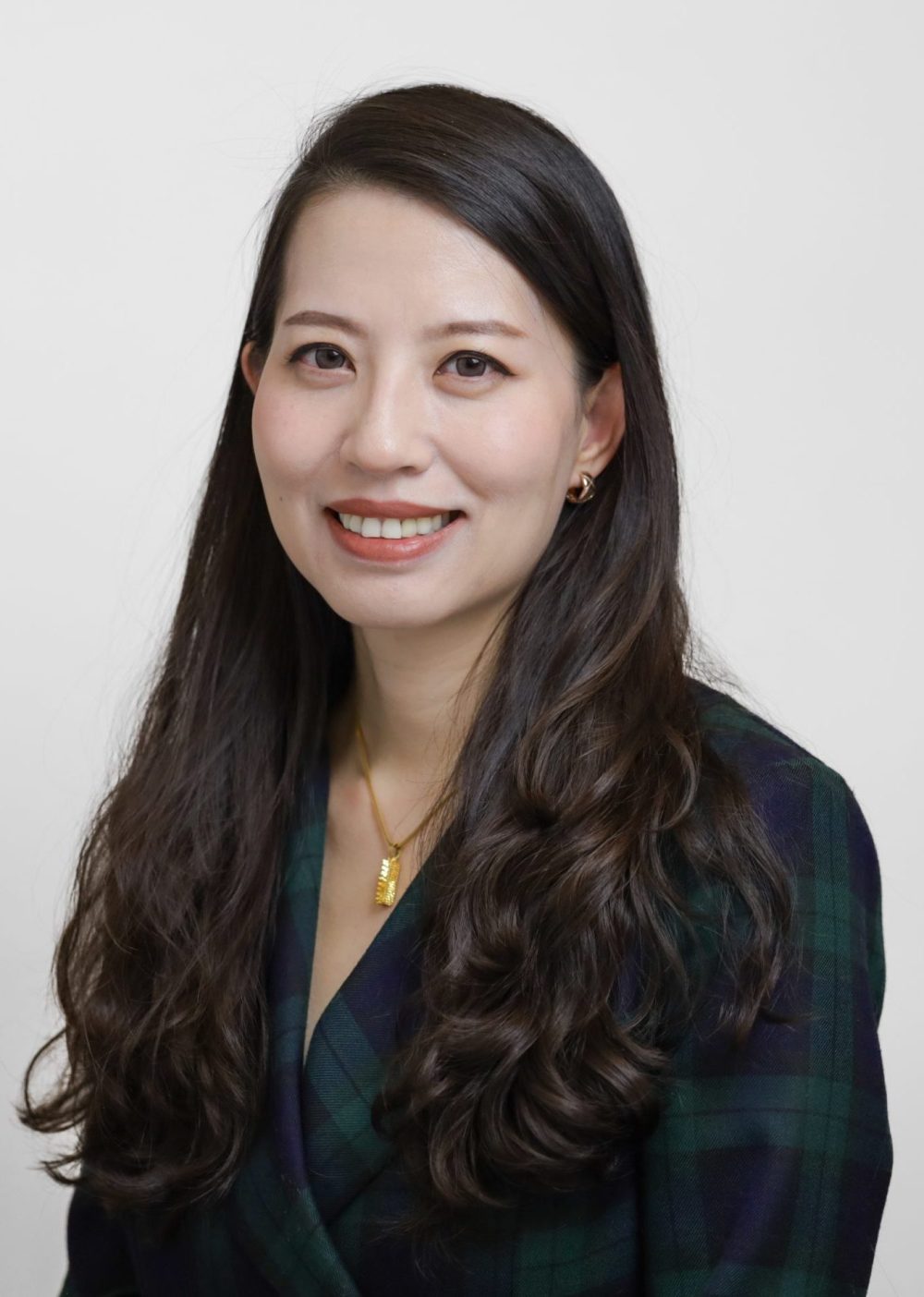
Bonnie Wang, M.A. is an Assistant Director of Diversity, Equity and Belonging and Upper School Chinese teacher at Durham Academy. She was awarded 2019 Teacher of the Year by FLANC, Fostering Language Acquisition at North Carolina (FLANC), and is currently the Past President of FLANC. She is the recipient of 2025 Betsy Alden Outstanding Service-Learning Awards, by Duke Service-Learning program. She was a former board member in national organizations including CLTA and SCOLT. Her pedagogical research focuses on incorporating social justice and service learning into the World Language curriculum, supporting students with learning differences, as well as integrating calligraphy, Taichi, and classical poetry into Chinese Language and Culture curriculum.”
Research Presentation : On the Application of the Verticalization Model to Language Maintenance: Lessons learned from language shift among American German communities in Wisconsin.
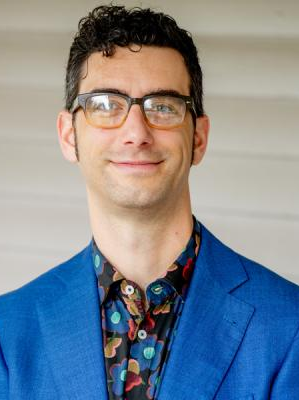
Joshua Bousquette, Ph.D. is an Associate Director of at University of Georgia. His research seeks to better understand the social factors and typological tendencies affecting language change; and the social, economic and community factors that affect language shift, particularly in heritage communities. A large part of his research is focused on heritage languages, or: linguistic communities of bilingual speakers whose mother tongue differs from the language of the society at large. He studies both the linguistic effects of bilingualism in these contact varieties, as well as the sociological factors affecting language shift.

Workshop: Toolkit for Shared Success: Empowering Heritage and L2 Learners in Mixed Classrooms
Alegría Ribadeneira, Ph.D. is Distinguished Professor and Chair of English and World Languages at Colorado State University-Pueblo. She is also a Lead Instructor for the National Heritage Language Resource Center (NHLRC). She frequently presents at regional, national, and international conferences, focusing on the benefits of project-based, content-based, and community-based instruction, alongside the integration of open educational practices and AI-driven innovation. Dr. Ribadeneira has received several prestigious teaching awards, including the 2017 Olga E. Kagan Award for advancing heritage language education, the 2020 Colorado Excellence in Teaching Award from the Colorado Congress of Foreign Language Teachers, the 2020 Post-Secondary Excellence in Teaching Award from the Southwest Congress of Language Teaching, and the Global Educator Award from Open Education Global.
Abstracts here
Schedule
Thursday February 18, 2027
10:00 am – 10:10 am US EST
Opening Remarks: Adriana Medina, Ph.D. Chair, Department of Reading and Elementary Education
10:10 am – 12:00pm US EST
Research Presentation: TBA
Featured Speaker: Enza Antenos, Ph.D.
4:00 pm – 6:00 pm US EST
Workshop: A Practical Toolbox for Differentiation, Assessment, and Belonging in Mixed Heritage and Second-Language Classrooms
Facilitator: Bonnie Chunmeng Wang, M.A.
Friday February 19, 2027
10:00 am – 10:10 am US EST
Opening Remarks : Anabel Aliaga-Buchenau, Ph.D. Chair, Department of Languages, Cultures and Translation
10:10 am – 12:00 pm US EST
Research Presentation: On the Application of the Verticalization Model to Language Maintenance: Lessons
learned from language shift among American German communities in Wisconsin.
Featured Speaker: Joshua Bousquette, Ph.D.
4:00 pm – 6:00 pm US EST
Workshop: Toolkit for Shared Success: Empowering Heritage and L2 Learners in Mixed Classrooms
Facilitator: Alegria Ribadeneira, Ph.D.
REGISTRATION
There is no cost to attend the symposium, but attendees must register in advance. The deadline for registration is February 12th , 2027.
Contact
Please contact the following Symposium organizers if you have any questions:
Dr. Paloma Fernández Sánchez (pfernan2@charlotte.edu)
Dr. Chikako Mori (cmori@charlotte.edu)